11+ Years at Microsoft

Akshay Dixit

Senior Product Manager at Microsoft · 11+ years building data products, developer platforms, and AI-powered systems from zero to scale.

CSM·INSEAD·Prosci·Azure Architect·Azure AI Engineer
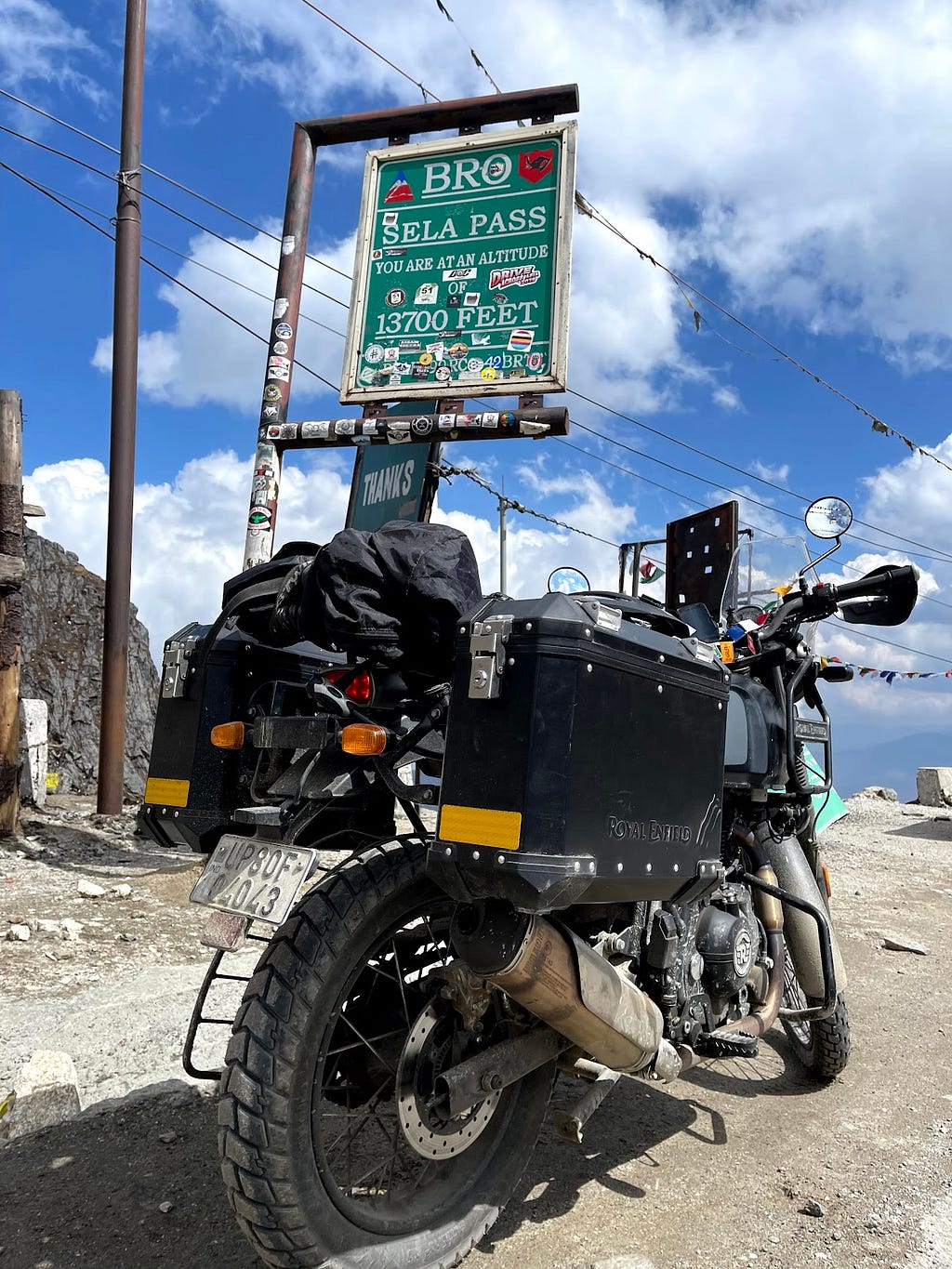
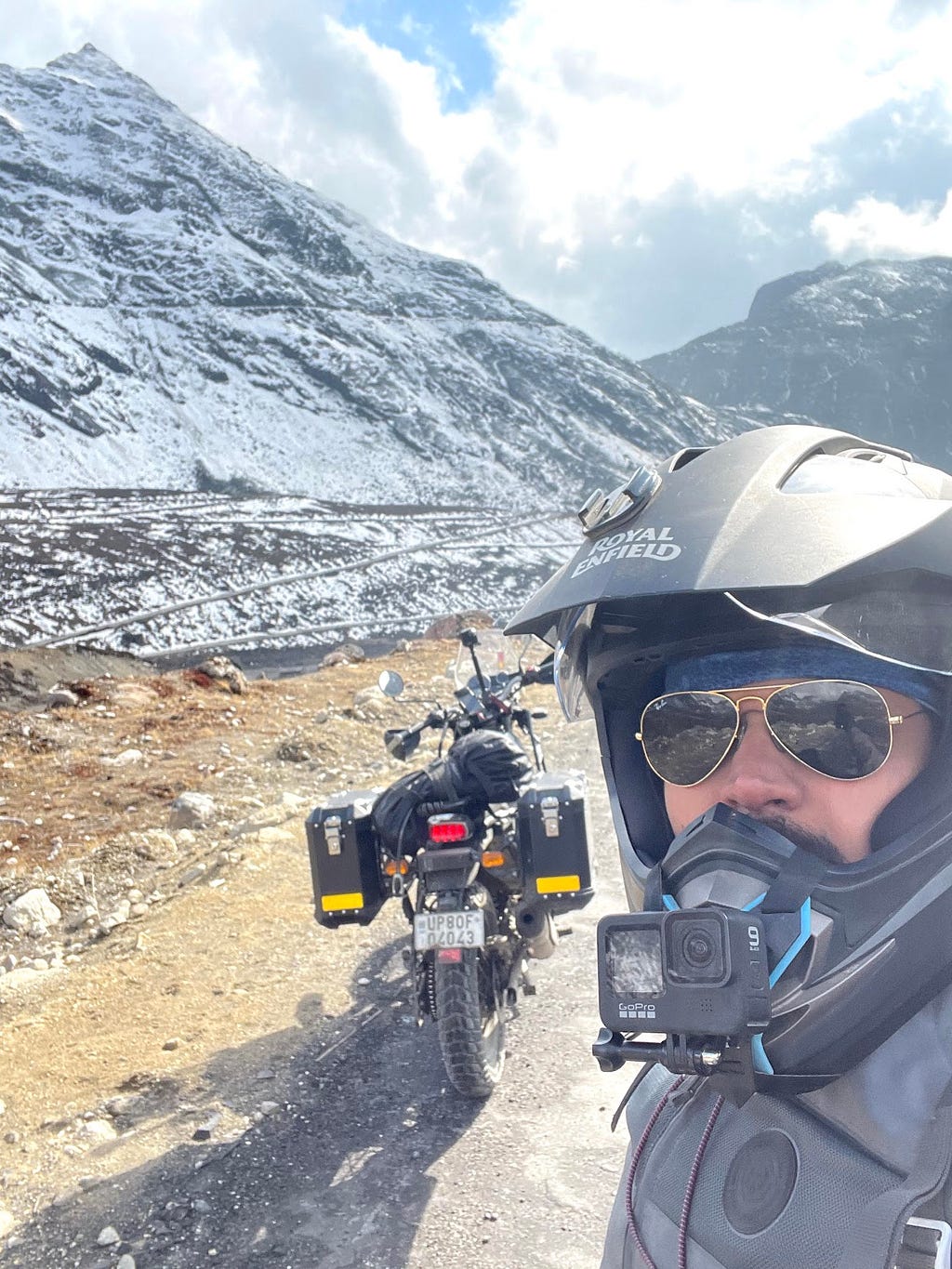
Akshay with Royal Enfield Himalayan at Wagamon Hill
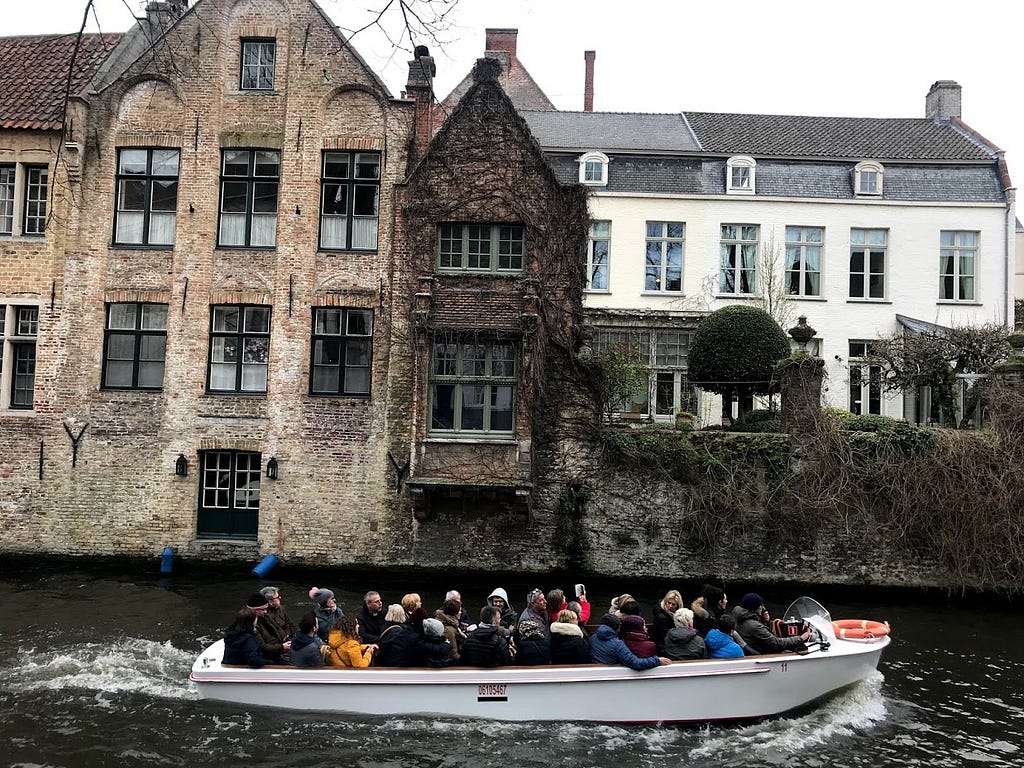
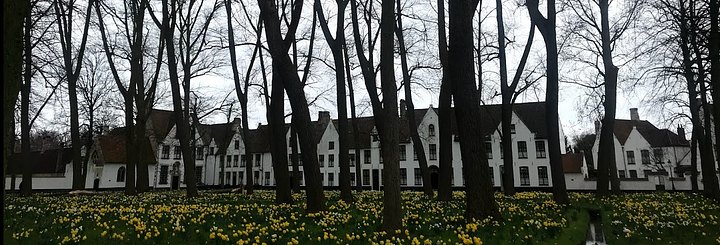
Bruges canal
At Sela Pass
SCROLL

I've spent the last decade turning ambiguous customer signals into products that scale.

Senior Product Manager at Microsoft with 11+ years across data platforms, developer ecosystems, and product strategy. Currently in the Excel product group, owning the Add-ins and Copilot extensibility platform — the surface where third-party developers and ISVs plug into Excel. Responsible for developer reliability, partner programs, and the extensibility roadmap across 5 charter areas including Add-in lifecycle, DLP partner integrations, and Copilot developer experiences.

Previously drove the ingestion connector ecosystem for Azure Data Explorer (Kusto) and Microsoft Fabric Real-Time Intelligence — growing OSS connector volume by 20x to 40 PB daily and 1P connectors by 4x to 350 PB daily, while keeping NPS above 55. Before product management, led engineering teams across 3 countries to build blockchain data platforms that eliminated 98% of fraudulent transactions, negotiated $2M in migration budgets, and architected the Connected Vehicle Platform monitoring 20 million vehicles.

To handle the scale, I built Brain OS — an AI-powered daily operating system that pulls signals from email, Teams, ADO, and GitHub every morning, triages them, and generates a daily intelligence brief. 27 Copilot skills. 50+ automations. Because the best PM tools come from PMs who understand the problem.

Product Strategy Customer Discovery Roadmap Ownership Cross-org Influence Data-Informed Decisions Platform Thinking Stakeholder Negotiation Developer Platforms AI & Automation Open Source

Akshay Dixit
Royal Enfield in Kerala Arunachal Pradesh Bruges at night 26000km across India Kanyakumari Feeding India volunteering Sunset Bruges panorama Royal Enfield in Kerala Arunachal Pradesh Bruges at night 26000km across India Kanyakumari Feeding India volunteering Sunset Bruges panorama

Impact at scale.

0
Daily Data Scale
1P connector throughput
0
OSS Connector Growth
40 PB/day volume
0
Shipping at Microsoft
Azure · Fabric · Office
0
Issues Triaged
OfficeDev ecosystem

Four chapters. One thread: build what’s missing.

2013 — THE SPARK
Microsoft Intern · Cognitive Services & Yammer
Microsoft · India
Built a sentiment analysis engine using Microsoft Cognitive Services and integrated Yammer with TFS for real-time team feedback. Improved internal team satisfaction scores by 10x. First taste of shipping product at Microsoft scale.
Cognitive Services 10x Satisfaction
2014–2021 — CHAPTER 1
Data & AI Consultant · Full-Stack Delivery
Microsoft · Global (India, US, Europe)
Led engineering teams across 3 countries. Built a blockchain data platform that eliminated 98% of fraudulent transactions. Negotiated $2M in Azure migration budgets with enterprise leadership. Architected the Connected Vehicle Platform monitoring 20 million vehicles with 15x data ingress improvement.
98% Fraud Eliminated $2M Budget Negotiated 20M Vehicles Led Teams Across 3 Countries
2021–2025 — CHAPTER 2
Azure Data Explorer (Kusto) & Eventhouse in RTI Fabric
Microsoft · Azure Data
Became “kustonaut.” Owned the ingestion connector ecosystem — grew OSS volume 20x to 40 PB/day and 1P connectors 4x to 350 PB/day. Maintained NPS above 55. Drove Eventhouse in Real-Time Intelligence for Microsoft Fabric. Completed a 365-day public KQL challenge.
20x OSS Growth 350 PB/Day 1P Scale NPS > 55 Eventhouse · RTI Fabric
2025–NOW — CHAPTER 3
Office Extensibility & Developer Experience
Microsoft · India
Owns developer reliability for the Office Add-ins platform — 6,000+ issues triaged across 5 charter areas. Leading cross-team partner programs. Building Brain OS — an AI-powered daily operating system for PMs with 27 Copilot skills and 50+ automations.
6,000+ Issues Triaged 5 Charter Areas Brain OS 27 Copilot Skills

Products I built. Problems I solved.

Every project started from a real product gap — something I needed at work that didn’t exist. Each one ships daily.

kustonaut.github.io/issue-sentinel
Active

issue-sentinel

AI-powered GitHub issue triage. Classify, prioritize, and route issues automatically. Built for teams drowning in backlogs.

Python CLI GitHub Actions AI
kustonaut.github.io/github-issue-analytics
Active

github-issue-analytics

Paste any GitHub repo, get a full health dashboard in seconds. 13 metrics — SHS gauge, issue funnel, label heatmaps, age distribution, sparkline trends. 100% client-side, zero backend.

Python HTML/JS GitHub API Analytics
kustonaut.github.io/llm-eval-kit
Active

llm-eval-kit

10 quality checks + 3 LLM judges + multi-model comparison. Score any LLM output with zero API keys. Rule-based checks for hallucination, PII, toxicity, placeholders, JSON validity, and more.

Python CLI LLM Eval Chart.js
kustonaut.github.io/pm-signals
Active

pm-signals

Multi-source signal aggregation for PMs. Pulls from email, GitHub, RSS, calendar, and files into a unified daily intelligence brief. Pluggable fetchers, priority scoring, and inbox-zero workflow.

Python HTML/JS Signal Processing PM Ops
kustonaut.github.io/365daysofADX
Complete

365daysofADX ★ 37

A year-long deep dive into Azure Data Explorer. Daily KQL challenges, patterns, and learning resources. The project that started my data obsession.

KQL Azure Data Explorer Data Engineering
kustonaut.github.io/kql-cheat-sheet
Complete

kql-cheat-sheet ★ 11

Interactive KQL reference guide. Born from my own need to stop Googling the same Kusto operators every week. Quick-lookup syntax for data engineers.

HTML KQL Reference
kustonaut.github.io/WealthPulse
Active

WealthPulse ★ 1

Self-hosted portfolio dashboard for Indian and US markets. 14 broker parsers, NPS tracker, EPFO integration, FIRE calculator, dark mode, live stock marquee.

Python Finance Dashboard
kustonaut.github.io/StockScreener
Stable

StockScreener ★ 2

Stock screening and analysis tool. Filter stocks with customizable criteria, track patterns, and make data-driven picks. Built for personal use, shared for everyone.

Python Data Analysis Stocks

What I shipped. Why it mattered.

OSS Connector Ecosystem
20x volume growth → 40 PB/day
Drove adoption of 10+ connectors (Spark, OpenTelemetry, Kafka, Logstash, Fluent Bit). Market research, roadmap prioritization, partner enablement.
1P Connector Scale
4x growth → 350 PB/day
Scaled first-party data ingestion pipelines for Azure Data Explorer and Fabric RTI. Maintained NPS above 55 across the ecosystem.
Blockchain Data Platform
98% fraud elimination
Built end-to-end data platform with distributed ledger verification. Led engineering teams across 3 countries to deliver.
Enterprise Migration
$2M budget negotiated
Negotiated Azure migration budget with enterprise senior leadership. Managed stakeholder alignment across business and technical teams.
Connected Vehicle Platform
20M vehicles monitored
Architected telemetry monitoring platform with 15x data ingress improvement. Real-time fleet analytics at automotive scale.
Get Data for Azure Data Explorer
30+ data sources, one wizard
Built the Get Data experience in the ADX web UI — a guided 3-step wizard (Source → Configure → Inspect) for ingesting from local files, Azure Storage, Amazon S3, Event Hubs, and more. Replaced fragmented multi-portal workflows with a single entry point supporting schema mapping, format detection, and ingest-time transformations.
Get Data in Eventhouse (Fabric RTI)
Fabric Real-Time Intelligence
Extended the Get Data experience to Eventhouse in Microsoft Fabric Real-Time Intelligence. Brought the same connector ecosystem (local files, OneLake, Eventstream, Event Hubs, Amazon S3, Azure Storage) into Fabric’s real-time analytics engine with native Real-Time Hub integration.

Tools that power the product work.

Each tool links to the Brain OS skill or open-source repo where it's used. Click to explore.

Three rules I ship by.

01

Outcomes over output.

Track what changed for the customer, not what you shipped. Features don’t matter. Customer outcomes do. Every metric I track ties back to a user problem solved.

02

Strategy is a bet, not a plan.

Fire bullets before cannonballs. Test hypotheses with lightweight automation before committing to platform investments. Every spec is a falsifiable bet.

03

Systems over goals.

Goals tell you where to go. Systems get you there. Brain OS isn’t a productivity tool — it’s a system that compounds PM intelligence daily. Build the machine, not the todo list.

I also write things that aren't code.

Travel stories, year-end reflections, and the occasional "how I balance Microsoft and solo trips" post.

Thought leadership & speaking.

Featured posts, conference talks, and milestones from a decade of building at Microsoft.

LinkedIn Top Voice — Product Management

What shaped how I think.

Books I've read cover to cover, docs I keep bookmarked, courses that actually changed how I work, and talks I rewatch.

Atomic Habits cover
Atomic Habits
James Clear
Rewired how I build systems. I stopped setting goals and started designing cue→routine→reward loops for everything—daily triage, spec writing, even exercise.
“1% daily compounds. Systems beat goals every time.”
Never Split the Difference cover
Never Split the Difference
Chris Voss
Changed every stakeholder negotiation I've had since. Tactical empathy, labeling, and calibrated questions work in product reviews, not just hostage situations.
“‘No’ is the start of negotiation, not the end.”
The Lean Startup cover
The Lean Startup
Eric Ries
Build→Measure→Learn isn’t just for startups. Every automation I ship follows this loop. Test with a script before building a pipeline.
“Vanity metrics lie. Ship the MVP. Learn fast.”
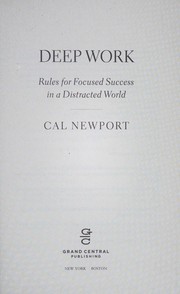
Deep Work cover
Deep Work
Cal Newport
I time-block 2–3 hours for spec writing with everything off. This book is why Brain OS handles shallow work so I can focus on what matters.
“The ability to focus without distraction is increasingly rare—and valuable.”
Extreme Ownership cover
Extreme Ownership
Jocko Willink & Leif Babin
When things go wrong, I say “this is mine.” No blaming engineering, no blaming process. The PM owns the outcome. Period.
“No bad teams, only bad leaders.”
Good to Great cover
Good to Great
Jim Collins
The flywheel concept runs my entire automation philosophy. Each improvement compounds. The Hedgehog Concept forced me to find my intersection of passion, skill, and impact.
“Flywheel: consistent turns beat heroic pushes.”
The Infinite Game cover
The Infinite Game
Simon Sinek
Stopped me from optimizing for quarterly metrics and started me building systems that outlast me. Worthy rivals, not competitors.
“Play the long game. Build things that outlast you.”
The E-Myth Revisited cover
The E-Myth Revisited
Michael E. Gerber
Work ON the system, not IN it. This is literally why Brain OS exists. If I’m always fighting fires, I’m not building systems that prevent them.
“Document everything as if you’re franchising.”
Inspired cover
Inspired
Marty Cagan
The PM bible. Discovery over delivery. Empowered product teams over feature factories. Changed how I define what “done” means.
“Fall in love with the problem, not the solution.”
Empowered cover
Empowered
Marty Cagan & Chris Jones
The leadership sequel. How to build product organizations that actually innovate. The gap between feature teams and empowered teams is the gap between feature teams and empowered teams.
“The best product teams are missionaries, not mercenaries.”
Transformed cover
Transformed
Marty Cagan
How companies actually make the transformation to being product-led. The playbook for moving from project-mode to product-mode. Directly applicable to any IC trying to shift their org.
“Product model companies solve problems. IT-mindset companies build features.”
Measure What Matters cover
Measure What Matters
John Doerr
OKRs done right. Not the HR exercise, but the alignment tool. This is how I connect daily work to quarterly impact and make Goals.md actually mean something.
“Ideas are easy. Execution is everything.”

PM Career Coach

An interactive deep audit against the PM maturity ladder. Answer 10 questions honestly. Get a radar chart of your PM dimensions, your maturity level assessment, verb shift coaching, and a personalized action plan drawn from 65 books on leadership and product management.

0 / 10
Dimension 1 · Ownership
When a feature spec needs writing, what do you do?
Ownership means you hold the pen, not just review what others wrote.
L1
Wait for someone to assign it or draft an outline
You contribute when asked but don't proactively pick up the pen.
L2
Volunteer to write the first draft end-to-end
You own the spec from problem statement to acceptance criteria.
L3
Write it AND set the framework others follow
You create templates and quality bars the team adopts for all specs.
L4
Define the spec strategy across products
You shape how the org documents product decisions at scale.
Dimension 2 · Coaching
When a junior PM struggles with a decision, how do you respond?
Coaching means multiplying intelligence, not just giving answers.
L1
Point them to the right document or person
Helpful when asked, but don't invest in building their judgment.
L2
Walk them through the tradeoff framework
You ask "what do you see?" before sharing your view — building their reasoning muscle.
L3
Create a coaching structure for the team
You set up regular 1:1 coaching, shared decision logs, and peer review rituals.
L4
Build an org-wide PM development program
You shape how PMs across the org grow, mentor mentors, and define career ladders.
Dimension 3 · Influence
How do you handle disagreements about technical tradeoffs with engineering?
Influence without authority is the PM superpower — data and framing beat title and escalation.
L1
Defer to the engineering lead's judgment
You trust the technical team's call without pushing back with data.
L2
Present customer data and A/B options
You frame decisions with data, propose options with tradeoffs, and let the team decide with informed constraints.
L3
Facilitate cross-team alignment on the tradeoff
You bring in partner teams, quantify cross-team impact, and drive a decision that considers the whole system.
L4
Set the decision framework the org uses
You define how tech/product tradeoffs are evaluated org-wide, create rubrics, and shape investment strategy.
Dimension 4 · Cross-Divisional Impact
How does your work connect to teams outside your immediate product area?
Senior PMs think in systems. Your feature doesn't live in isolation.
L1
Rarely interact outside my pod
You focus on your feature area and handle cross-team needs when escalated.
L2
Proactively sync with 2-3 partner teams
You understand dependencies and share context before problems arise.
L3
Drive shared roadmap items across divisions
You co-own deliverables with PMs in other orgs and align at the GM level.
L4
Shape multi-product strategy at the CVP level
You influence product portfolio decisions that span multiple business units.
Dimension 5 · Strategic Alignment
How do you connect your daily work to organizational OKRs?
Every line of spec should trace to an outcome. Strategic PMs never lose the thread.
L1
Focus on sprint tasks; OKRs are a quarterly check
You know the OKRs exist but don't actively map work to them daily.
L2
Map every decision to a key result
Your specs cite which KR they advance. Your prioritization reflects the OKR stack rank.
L3
Shape the OKRs themselves
You draft OKRs for your area, negotiate metric targets, and ensure they cascade correctly.
L4
Set the strategic framework the org plans against
You define the north star metric, the planning cadence, and the strategy narrative for leadership.
Dimension 6 · Thought Leadership
How do people outside your immediate team know about your work?
If your best work is invisible, you're leaving career capital on the table. Ship AND show.
L1
My work speaks for itself through the product
You don't actively share insights beyond standups and reviews.
L2
Write internal posts and present at team all-hands
You share learnings, write brown-bag talks, and people come to you for opinions in your domain.
L3
Publish externally and speak at conferences
You blog, give talks, and are recognized outside your company as a domain expert.
L4
Shape industry thinking and are sought as an advisor
Your frameworks are cited by others. You keynote events or advise company strategy externally.
Dimension 7 · Data-Driven Decision Making
How do you use data in your product decisions?
Intuition gets you started. Data keeps you honest. The best PMs instrument everything.
L1
Request reports from analysts when needed
You use data when available but don't own the instrumentation or dashboards.
L2
Build dashboards and write queries myself
You own your product's metrics, can query telemetry, and make data-driven tradeoffs daily.
L3
Define the metrics framework for the area
You set what we measure, why, and how — creating the data culture for your product area.
L4
Pioneer new measurement methodologies
You create novel metrics, build AI-powered analytics systems, or define industry standards for product telemetry.
Dimension 8 · Systems Thinking
When you encounter a recurring problem, what's your instinct?
Senior+ PMs don't just fix bugs — they fix the system that creates bugs.
L1
Fix the immediate issue and move on
You triage efficiently but don't always invest in root cause analysis.
L2
Trace the root cause and build automation
You ask "why did this happen 3 times?" and build systems to prevent recurrence.
L3
Design process improvements for the team
You create playbooks, triage pipelines, and health metrics that the whole team adopts.
L4
Architect organizational systems at scale
You design how the entire org detects, triages, and resolves problems — processes that outlast any individual PM.
Dimension 9 · Customer Empathy
How close are you to your customers and their pain?
If you haven't talked to a customer this week, you're managing a product you don't understand.
L1
Read CX reports and UserVoice votes
You know the top requests but haven't directly talked to users recently.
L2
Talk to 3-5 customers monthly and synthesize patterns
You have a customer call rhythm, take structured notes, and track feedback themes.
L3
Run a continuous discovery program
You've built a customer advisory board, run beta programs, and feedback shapes every sprint planning.
L4
Shape multi-segment customer strategy
You define customer segmentation, engagement models, and journey maps that the entire product org leverages.
Dimension 10 · Execution Velocity
How do you maintain momentum when a project hits ambiguity?
Shipping beats perfection. The War of Art's unnamed resistance shows up as "let me do one more review."
L1
Wait for clarity before proceeding
You want requirements locked before starting, which sometimes stalls progress.
L2
Make reversible decisions quickly and iterate
You distinguish two-way from one-way doors. For two-way doors, you decide and move.
L3
Create decision frameworks that accelerate the team
You set up RACI, pre-mortems, and escalation paths so ambiguity never blocks the team.
L4
Define the org's operating rhythm and velocity culture
You shape how the entire product org ships — cadence, quality bars, go/no-go frameworks.
1 of 10

Your PM Career Audit

Here's how you map across 10 PM dimensions — and how to level up.

--
--
--
--
--

Personalized Coaching

🎯 Your Action Plan — Try This Week

    Let’s talk product.

    Product strategy, developer ecosystems, data platforms at scale, or AI-powered PM systems. Always up for a conversation about building what matters.